
This is an automatically translated article.
Original language: German
Original language: German
The 2015 Anne Klein Women’s Prize has been awarded, by unanimous decision of the jury, to human rights defender and women’s rights activist Nebahat Akkoc from Diyarbakir. This Armenian-Alevi Kurdish woman from Turkey is a remarkable and courageous defender of human rights and of women’s rights to a life free from violence and self-determined. For decades, the daily lives of people in southeastern Turkey were marked by violence stemming from the Kurdish conflict. Violence in the form of extrajudicial executions, torture, and human rights violations. Violence was omnipresent. Domestic violence—within families, against children, and against women—was and still is widespread. In the face of state repression, however, domestic violence seemed less relevant in the political debate. Nebahat Akkoc, however, sees things differently. She is one of the pioneers of women’s rights and the fight against domestic violence in Turkey and in the Kurdish regions of Turkey. Together with her fellow activists, she began in the mid-1990s to put the issue of domestic violence on the agenda and to offer support to women. It is largely thanks to her efforts that domestic violence in Turkey is no longer widely accepted by society today, as it was in the 1990s.
Nebahat Akkoc’s commitment to combating violence stems from her own experience with violence. During her time as chairwoman of the teachers’ union Egitim Sen, nineteen teachers were murdered. Like many politically active people at the time, Nebahat Akkoc was also directly affected by this violence. Her husband was murdered in 1993. She herself was arrested and tortured on multiple occasions. Nebahat Akkoc fought back against this pervasive state violence: she was the first woman from Turkey to sue the Turkish government before the European Court of Human Rights (ECHR) for torture. The Turkish government was found guilty by the ECtHR and was ordered to compensate Nebahat Akkoc for the injustice she suffered. But that was not enough for Nebahat Akkoc. She wants to tackle violence where it originates: in families and in people’s minds. In Turkey, even as recently as the 1990s, violence was viewed as a given and inevitable, even by 95 percent of Turkish women.
In 1997, Nebahat Akkoc founded the Turkish-Kurdish women’s rights organization KAMER (KAdin MERkezi, Women’s Center). KAMER is now active in 23 cities in southeastern Turkey and is part of a network of women’s rights organizations and women’s centers throughout Turkey and Europe. KAMER offers psychological and legal counseling for women, safe spaces, and support for economic independence. In Diyarbakir, for example, KAMER operates a café run exclusively by women in the old caravanserai, a bazaar that had previously been frequented exclusively by men. Nebahat Akkoc knows no taboos when it comes to defending women’s rights. For example, after every “honor” killing, she organizes a large demonstration at the funeral. The women of Kamer carry the coffin to the cemetery—a task traditionally reserved for men.
Marital rape is now a criminal offense in Turkey, legal restraining orders are enforced following acts of violence, and “honor” killings are prosecuted with sentences of no less than 10 years. Eighty percent of Turkish women no longer consider domestic violence to be normal. This shift in awareness is only possible thanks to the tenacious work of activists like Nebahat Akkoc. She herself says: “A woman who comes to us changes. A man who beats his wife always remains the same.”
With the Anne Klein Women’s Award, we honor the work of Kamer—which is largely supported by volunteers—but above all Nebahat Akkoc as its founder. Nebahat Akkoc herself fearlessly stands up to violence—she continues to face personal threats—and refuses to accept gender-based violence or any form of unequal treatment. In doing so, she makes no distinctions between Turks and Kurds, Armenians and others, Christians, Muslims, or members of other faiths. She considers violence—regardless of the supposed tradition on which it is rooted—generally unacceptable. She gives women in southeastern Turkey and beyond the courage to actively stand up to all forms of violence. This is how the cycle of violence is broken. We are deeply impressed by this.
The jury for the Anne Klein Women’s Prize consists of:
- Barbara Unmüßig, Executive Board Member of the Heinrich Böll Foundation, Jury Chair
- Renate Künast, Member of the German Bundestag, Alliance ’90/The Greens
- Prof. Dr. Michaele Schreyer, Vice President of the European Movement Germany
- Jutta Wagner, attorney, former president of the German Women Lawyers’ Association
- Thomas Herrendorf, interior designer
Related Links
- Short biography of the award recipient
- Profile
- Press Release
- Background: What Exactly Is Feminism?
- Background: Feminism in a State of Emergency
- Background: My take on the Kurdish question
Photos of the award winner available for free download
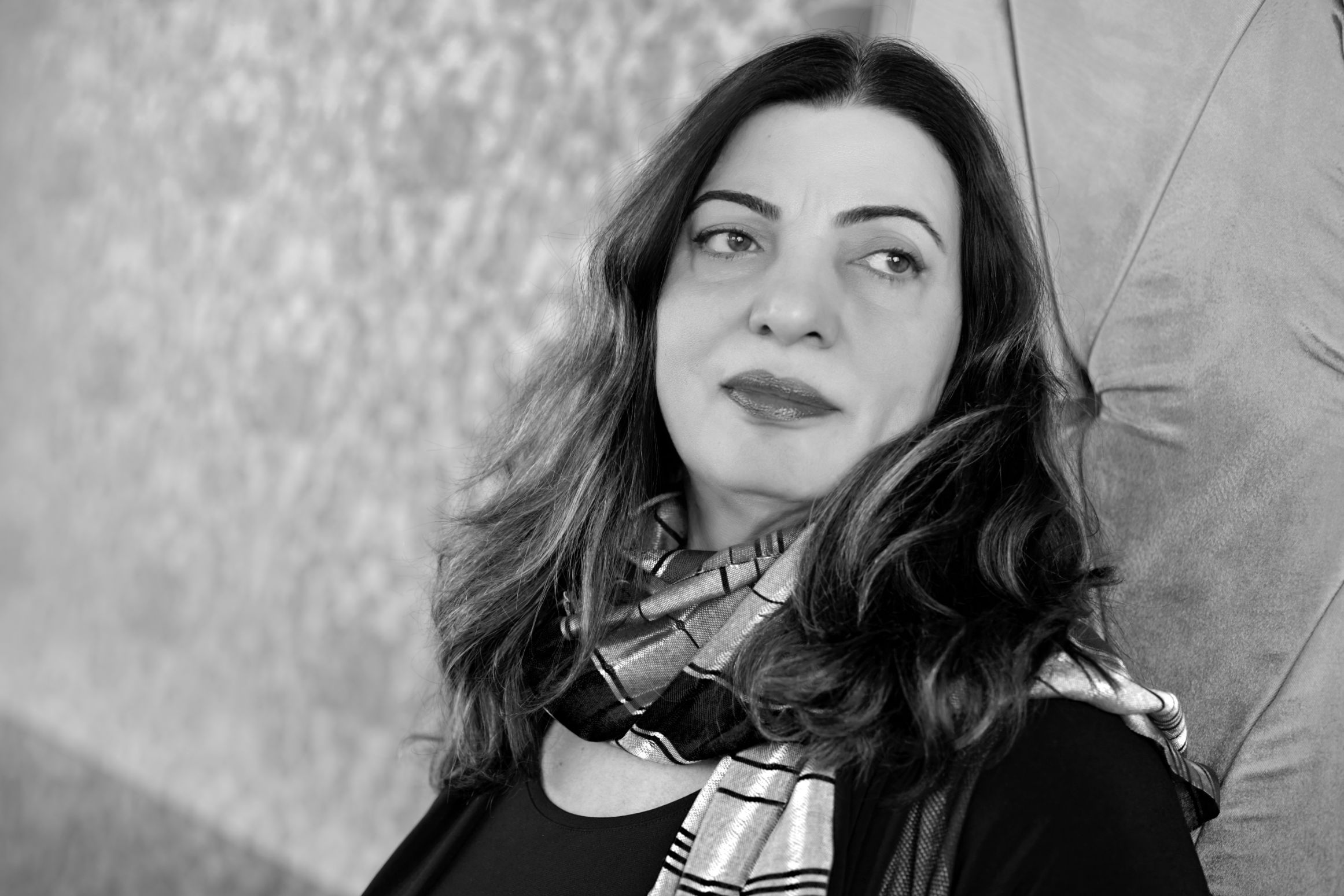
Nebahat Akkoc
Photographer: Emel Ernalbant
License: CC-BY-SA
Download photo
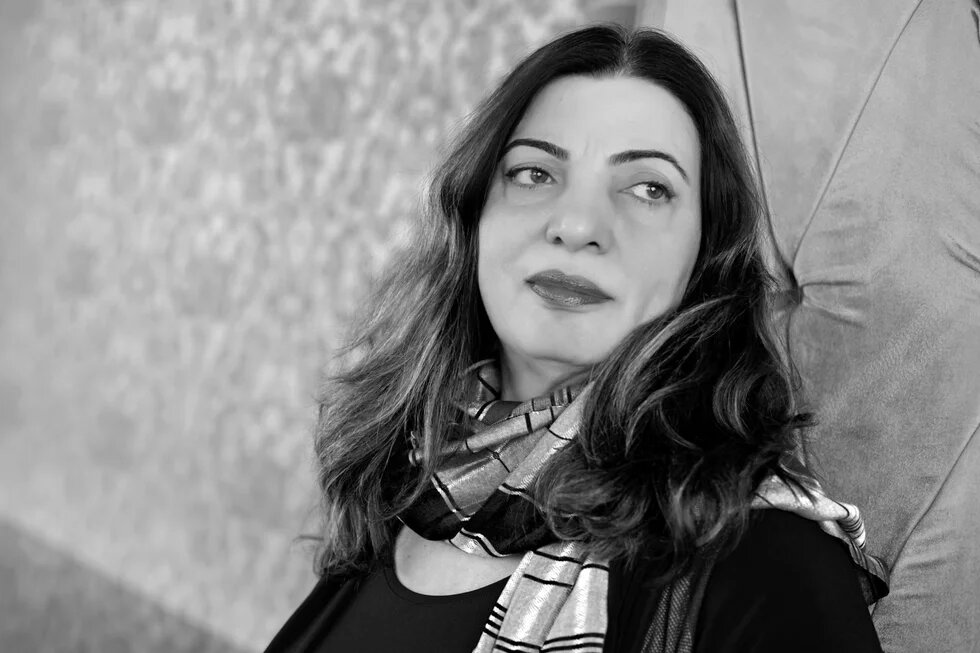
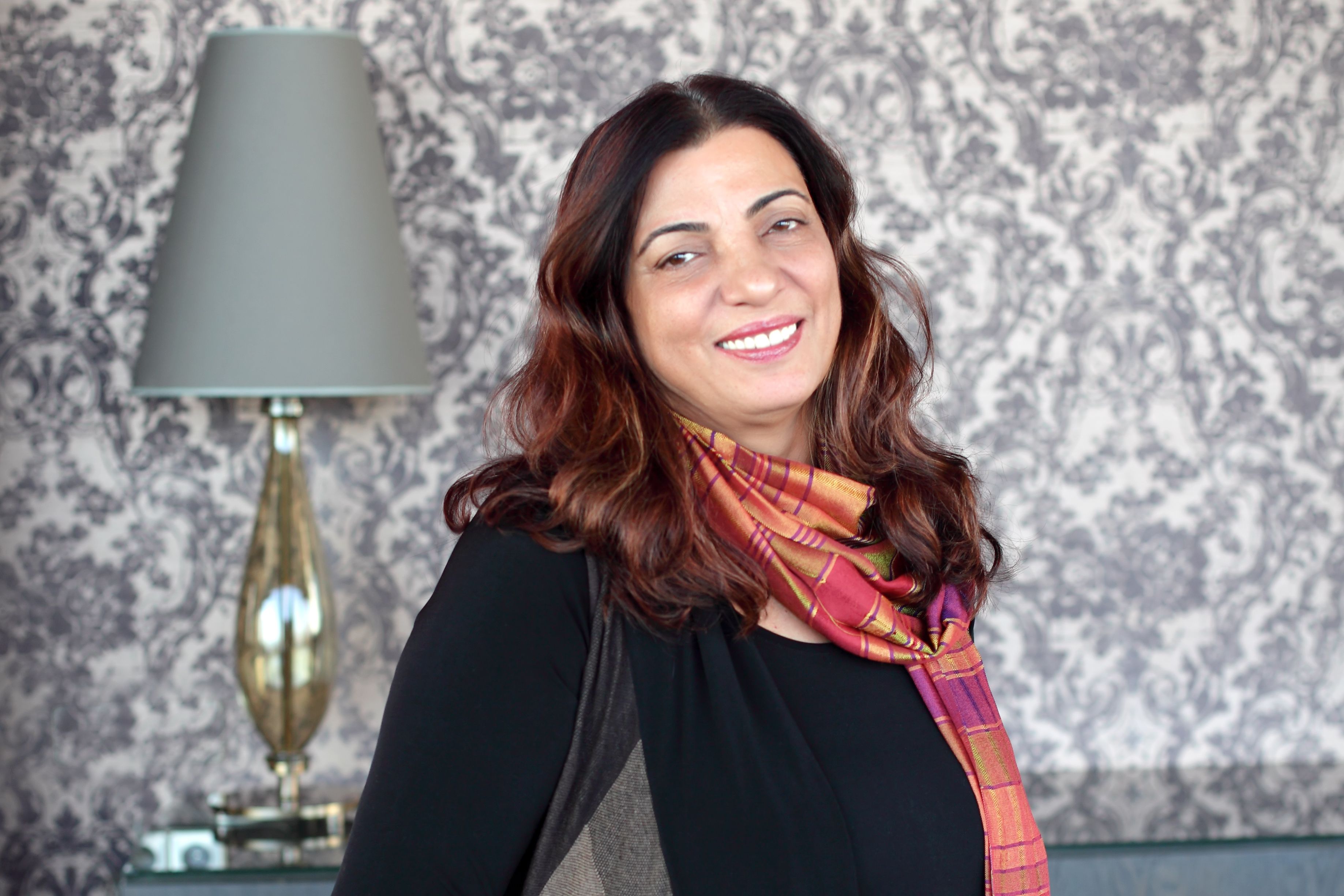
Nebahat Akkoc
Photographer: Emel Ernalbant
License: CC-BY-SA
Download photo
Contact
Ulrike Cichon
Email: cichon@boell.de
Phone: (030) 285 34-112