The UN International Year of the Woman Farmer shines a spotlight on a group of people who are usually invisible. All over the globe, it is often women who bear the main burden of farm work and who pay attention to sustainable, future-proof farming practices. Yet, in many parts of the world, they face discrimination in their day-to-day lives – unequal access to land, limited inheritance rights, domestic and sexualised violence in the workplace and health issues linked to pesticide use. Moreover, women are usually responsible for all the care work as well, which is particularly crucial in the case of family farms.
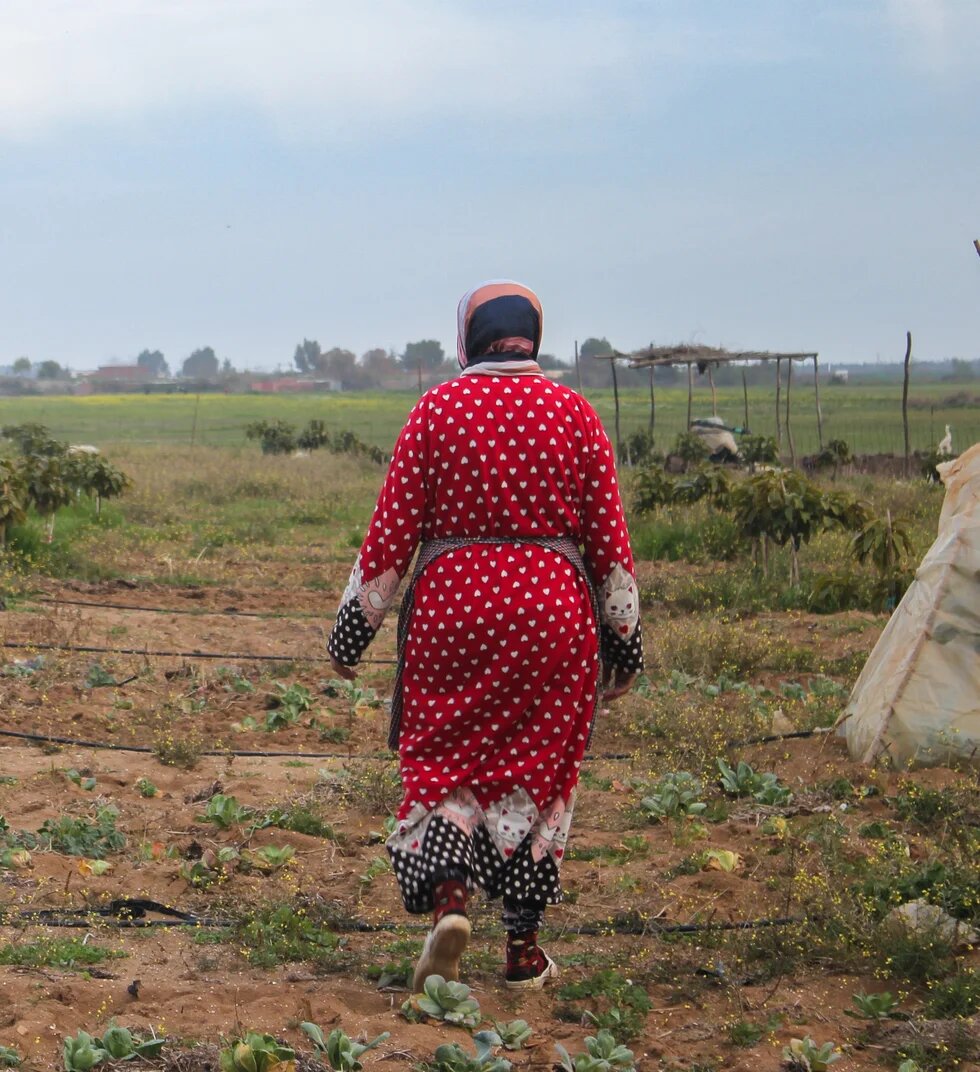
Farmworker Khadija in Morocco.
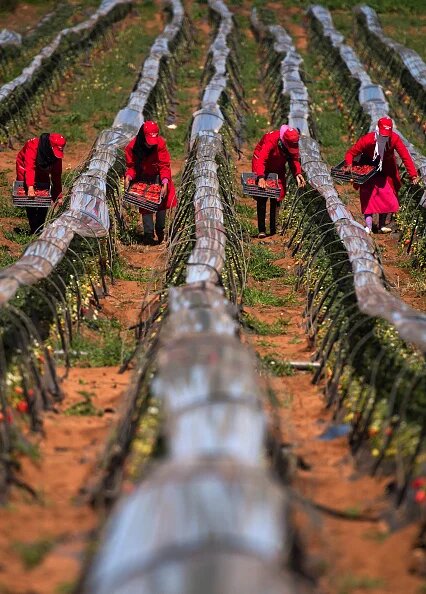
Khadija, a farmworker, describes the cruel costs of an intensive agricultural sector geared towards profit. She has spent her whole life working for low pay in the strawberry and raspberry fields of the Moulay Bousselham area of Morocco. European demand for the fruit is high and fruit farming fuels the local economy, but it is heavily dependent on the use of harmful pesticides. Bent over in the fields, the female farm workers breathe in the toxic chemicals that are sprayed without protective measures. Khadija collapsed at work a few years ago and has been unable to work ever since – she is battling asthma and allergies and her claim for compensation has been ignored.
Strawberry harvest in Morocco.
In Morocco, agricultural intensification has reached its limits. Farming is at a turning point and agroecology is becoming an increasingly important solution to the problems. For instance, RIAM, a network of agroecological initiatives founded in 2013, now has more than 100 members, including farmers, cooperatives, associations and consumers. Led by environmental biologist Rachida Mehdioui, it campaigns for diverse cultivation systems, reduces chemical inputs and creates local markets.
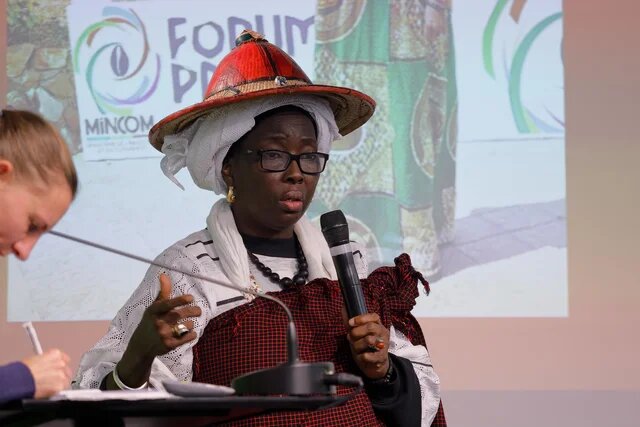
Julie Cissé (Senegal), women’s rights campaigner and director of GIPS/WAR, the Group of Initiatives for Social Progress/West Africa Region
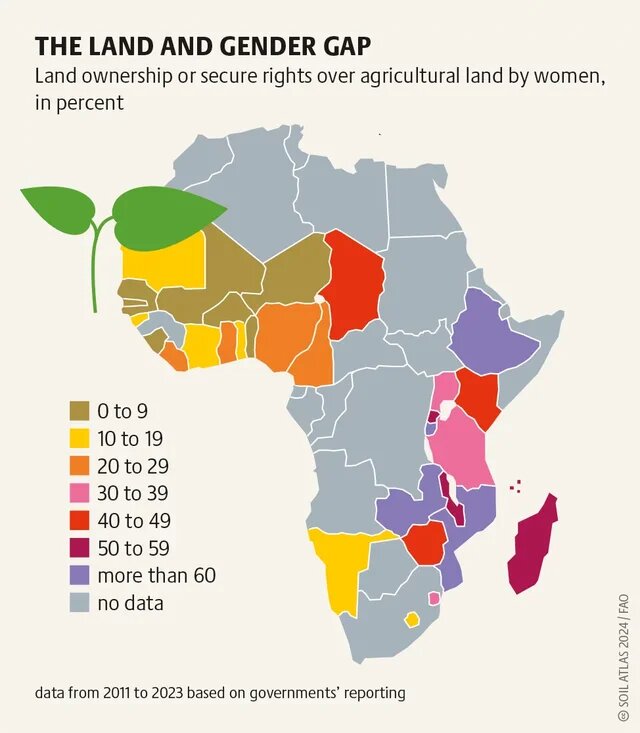
In Senegal, around 80 per cent of the population works in agriculture. Women do about 75 per cent of the work, but they are severely disadvantaged – with unequal access to land, means of production, finance and other resources. Julie Cissé and her group have been fighting for equality for more than 20 years. The women farmers are battling for land ownership rights and have become key drivers in the move towards agroecology.
On the remote, infertile fields they were given to start with, they have revived the tradition of market gardens, which give them food security and financial autonomy. Ten years ago, they joined forces with 600 women farmers from all over Africa, who gathered at Mount Kilimanjaro for a protest demanding equal access to land.
Women in Senegal now own over 15 per cent of the arable land. It is still not enough but, when compared with other countries in the region, it is a sign of progress. For Julie Cissé it is clear that the long, hard road to equality is one that can only be travelled with others – supported by a community based on solidarity, with local roots and international connections. In this context, she sees agroecology as much more than a farming method: it is an instrument for redistributing power.
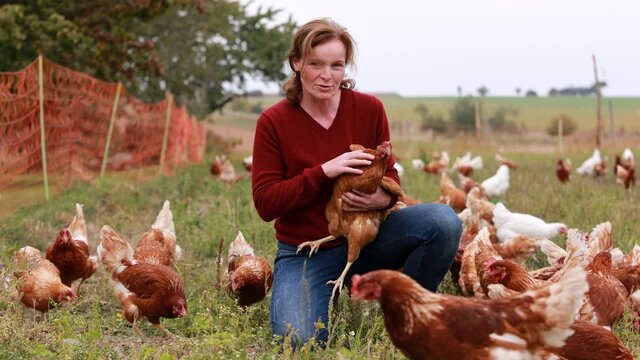
Claudia Gerster (Germany), organic farmer and chair of the farmers’ association AbL.
In Germany too, women in farming face structural disadvantages. Although more than 50 per cent of people working in farming enterprises are women, only around ten per cent of them manage their own farm or own land. Claudia Gerster has been running a diversified organic farm for more than 30 years with various kinds of livestock, arable and fruit crops, beehives, a bakery, a cheese dairy and direct marketing in the Saxony Anhalt region. She is also involved in the Arbeitsgemeinschaft bäuerliche Landwirtschaft (AbL), a national farmers’ association, currently as chair.
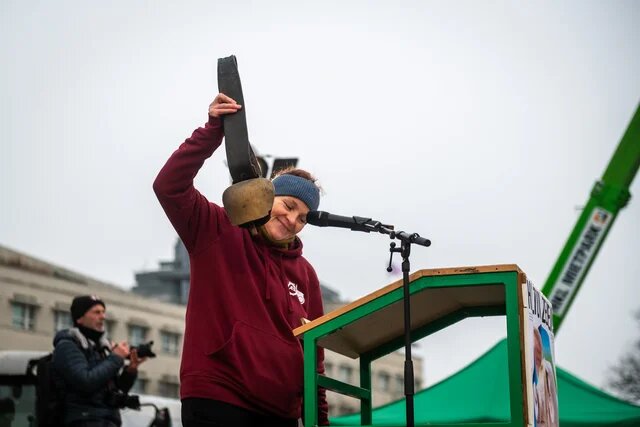
To mark the UN International Year of the Woman Farmer, the AbL has collaborated with a broad alliance of farming and rural associations to publish a joint declaration demanding equal participation for women in all their diversity in all areas of agriculture through targeted policy instruments: extra agricultural subsidies for women-run farms, better access to land and fair producer prices. For Claudia Gerster, feminist demands are agricultural policy demands – because without greater participation and financial security for women, there will be no chance of building a diverse, future-proof agricultural sector.