It is near consensual among Europeans that they need to strengthen the ‘European pillar in NATO’. This study traces the evolution of the concept of the European pillar, delineates potential meaning, and spells out what it would take to operationalize it.
Despite 25 years of the Women, Peace and Security agenda, feminist peacebuilding is stalling. Rising militarization and backlash threaten hard-won norms. The publication calls for a redoubling of efforts rooted in solidarity and structural change.
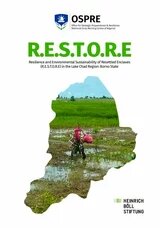
After years of conflict and displacement, returnees in Borno State (Nigeria) strive to rebuild amid insecurity and environmental challenges. This report analyses existing risks and offers proposals for safe resettlement, climate resilience and sustainable recovery.
Enforced disappearances and arbitrary detentions of Ukrainian civilians by Russian authorities are systematic and widespread, yet severely underreported. Germany and the EU must use diplomatic leverage to counter this deliberate tool of war.
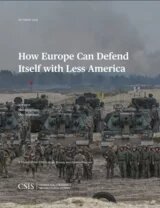
This report examines the military gaps that would be created by a significant reduction of the U.S. military footprint in Europe. It outlines five key tasks Europeans should undertake to address these gaps.
Security, dignity, and self-determination for all people in Palestine and Israel are the basis for lasting security. An approach based on international law and feminism offers further options for action.
The incoming German government will have to navigate challenges that are existential to Germany, Europe. This publication applies a feminist perspective to the far-reaching impact of the second Trump administration on global peace and security.
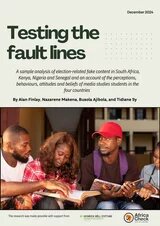
Election-related disinformation is reshaping democracies across Africa. This study examines how fake content spread during elections in South Africa, Kenya, Nigeria, and Senegal fuels distrust, exploits divisions, and skews public perception.
Cybercrime threatens not only digital security but also deepens social inequalities, affecting marginalized groups like women, LGBTQIA+ individuals, and human rights defenders. This policy briefing explores the risks of weaponized cyber laws and proposes a human rights-based approach.
This report reviews climate security literature, identifies key players, and analyzes case studies. It highlights actors' needs in different contexts and offers recommendations for global, regional, and local engagement, with a focus on the global South.