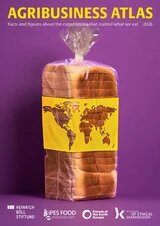
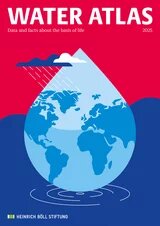
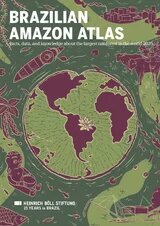
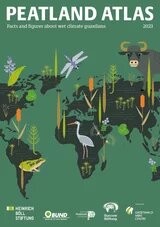
Our atlases convey knowledge in a particularly compact and clear format. Here you will find all previous editions available for download as PDF, mobi, or epub files, the corresponding online dossiers with all articles and infographics, as well as additional videos and podcasts.
The Water Atlas presents the complexity and urgency of global water issues in a visually compelling, accessible format - from the unequal distribution of water and industrial pollution to climate-linked water insecurity and geopolitical tensions.
Since its colonization, the Amazon region has served as a projection surface for foreign ideas and desires. With the Brazilian Amazon Atlas, we want to deconstruct common stereotypes about the region - and show it from the perspective of its diverse inhabitants.
The Peatland Atlas highlights the consequences of the destruction of these unique habitats and shows the opportunities of wet peatlands and their use for society in order to encourage all actors to take action.
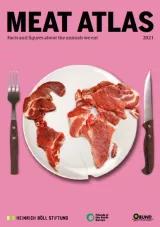
There is hardly any other food that pollutes our environment and the climate as badly as meat. However, no government in the world currently has a concept of how meat consumption and production can be significantly reduced.
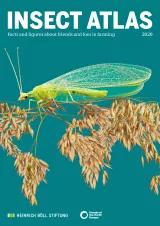
The Insect Atlas provides Data and facts about beneficial and harmful insects in agriculture, formulates criticism of the overly hesitant policy and names the urgently needed steps to protect insects.
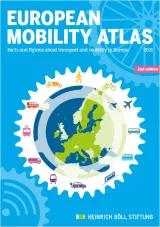
Sustainable transport and mobility are key to tackle the climate crisis and to achieve the targets of the European Green Deal. However, transport today accounts for nearly 30 percent of the CO₂ emissions within the European Union. How can the EU reduce its transport and mobility emissions while connecting citizens, creating green jobs and leading the innovation in the sector?
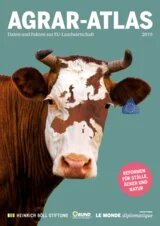
The European edition of this atlas combines elements from various already published national editions, giving both an overview of Europe as a whole as well as insights into the agricultural structures in various EU member states. This atlas aims to strengthen civil society and social movements throughout the continent, thereby advancing the ecological and social transformation in our agricultural and food systems.
The European Energy Atlas shows a clear alternative: It not only provides a compass on the different energy discussions in different Member States but also reveals how a Europeanization of the energy transition will be the more efficient and cost-effective option for all Europeans.
Industrial agriculture is responsible for both colossal environmental and climate damage as well as global injustice. It is high time for a socially and politically oriented regulation of the agrifood industry. We hope that this atlas will stimulate a broad-based social debate on this vital topic.
Our Coal Atlas contains the latest facts and figures on the use of coal and its environmental and social consequences. With more than 60 detailed graphics, the atlas illustrates the coal industry’s impact on nature, health, labour, human rights and politics.
Through misuse, we lose 24 billion tonnes of fertile soil every year. For the International Year of Soils in 2015, this Atlas shows, why the soil should concern us all. Jointly published by the Heinrich Böll Foundation and the Institute for Advanced Sustainability Studies.